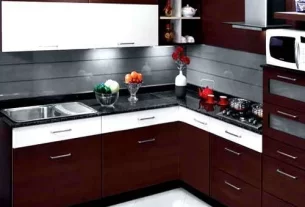
You know that feeling. You’ve just assembled your latest flat-pack furniture purchase. It’s functional, sure. Affordable, absolutely. But it looks… well, exactly like it did in the showroom and in a million other homes. That generic sameness is precisely why a vibrant, creative rebellion has taken root. It’s called furniture hacking, and it’s transforming ubiquitous IKEA, Wayfair, and Target pieces into one-of-a-kind statements.
Let’s dive in. Furniture hacking—or upcycling flat-pack furniture—isn’t just about slapping on a coat of paint. It’s a design philosophy. It’s about seeing the potential in the mass-produced skeleton and having the audacity to say, “I can make this better.” This movement blends DIY spirit with sustainable living, turning cookie-cutter items into custom, high-look pieces for a fraction of the cost of true designer furniture.
Why Now? The Perfect Storm for a DIY Revolution
So, why has hacking IKEA furniture and other brands exploded? Honestly, it’s a confluence of a few key things. First, the pandemic had us all staring at our four walls, realizing our spaces needed to work harder and reflect us better—but budgets were tight. Enter the humble BILLY bookcase or the KALLAX unit.
Second, platforms like Instagram, Pinterest, and YouTube became endless sources of inspiration. Suddenly, you could watch someone turn a MALM dresser into a chic, cane-front beauty in a 15-minute tutorial. The barrier to entry crumbled. You didn’t need to be a master carpenter; you needed a screwdriver, some creativity, and maybe a decent sander.
The Core Drivers: More Than Just Aesthetics
Digging deeper, the appeal hits on several modern pain points:
- Sustainability & The Anti-Disposal Mindset: We’re more conscious of waste. Upcycling a piece gives it a second, longer life, keeping it out of landfills. It’s personal-scale circular economy.
- The Craving for Customization: In a world of algorithms and mass production, personal expression is king. A hacked piece is a fingerprint.
- Budget-Friendly “Luxury”: The cost of solid wood, bespoke furniture is staggering. Hacking lets you mimic high-end styles—from Scandinavian minimalism to bold maximalism—on a flat-pack budget.
The Hackers’ Toolkit: From Simple Tweaks to Full Transformations
The beauty is in the spectrum. A furniture hack can be a weekend warrior project or a simple evening refresh. Here’s a quick breakdown of common techniques, from easy to advanced.
| Technique | Best For… | Example Hack |
| Paint & New Hardware | Absolute beginners. Instant impact. | Painting an IVAR cabinet a bold color and adding ceramic knobs. |
| Decals & Contact Paper | Non-permanent updates, adding pattern. | Applying marble-contact paper to a LACK tabletop. |
| Combining Units | Creating custom-sized storage. | Joining two BESTÅ units to span a wall seamlessly. |
| Adding New Legs | Elevating style (literally). | Swapping out stock legs on a sofa or sideboard for hairpin or tapered wood legs. |
| Structural Mods | The advanced hacker. Full reinvention. | Turning a simple IKEA bed frame into a canopy bed, or building a custom desk from kitchen countertops and drawer units. |
That last point is key. The most popular flat-pack furniture to upcycle often starts as something else entirely. The IKEA IVAR system, for instance, is basically raw pine scaffolding—it’s a hacker’s blank canvas. The TRONES shoe cabinet gets reborn as a sleek entryway console with some paint and new pulls.
A Community of Creativity: Sharing the Blueprint
This isn’t a solitary act. In fact, the community aspect fuels it. Blogs and social media accounts are dedicated solely to IKEA hacks. People share detailed cut lists, source links for perfect-fitting hardware, and troubleshoot common issues like how to properly prep that slippery laminate surface for paint (spoiler: a good primer is everything).
This collective knowledge lowers the fear of failure. You’re not experimenting blindly; you’re following a well-trodden, supportive path. It feels less like risky DIY and more like a collaborative build.
The Flip Side: Considerations Before You Start Hacking
Okay, it’s not all rainbows and perfectly distressed paint. Before you dive into modifying your furniture, a few reality checks. The particleboard core in many flat-pack items can be unforgiving. Once you cut or drill, there’s no going back. And modifying structural elements can sometimes void warranties or, if done poorly, compromise stability.
Here’s a quick list of things to remember:
- Start Simple. Don’t attempt a full kitchen island conversion as your first project. Try painting a side table.
- Invest in Prep. Sanding and priming are boring but non-negotiable for a lasting finish.
- Respect the Material. Know what’s under the veneer. Particleboard needs different handling than solid wood.
- Function First. The coolest hack is useless if the drawer doesn’t open smoothly. Never sacrifice utility for aesthetics.
The Future of Hacking: Where Does This Go Next?
Honestly, the movement is maturing. We’re seeing a shift from purely cosmetic changes to truly integrated, tech-forward modifications. Think IKEA tables with built-in, wireless charging pads, or bookshelves with hidden LED lighting systems. The hacking is getting smarter, more functional.
Even the brands themselves are noticing. Some are subtly designing products with easier modification in mind—simpler lines, more accessible parts. It’s a tacit acknowledgment that their products are a starting point, not a final destination.
And that’s the real takeaway. The rise of furniture hacking and upcycling for popular flat-pack brands signals a deeper change in our relationship with stuff. We’re no longer passive consumers. We’re co-creators. It’s about rejecting the impersonal and injecting life, craft, and story into the everyday objects that surround us.
Your home isn’t a showroom. It’s a living project. And that MALM dresser? Well, it’s waiting for your idea.