

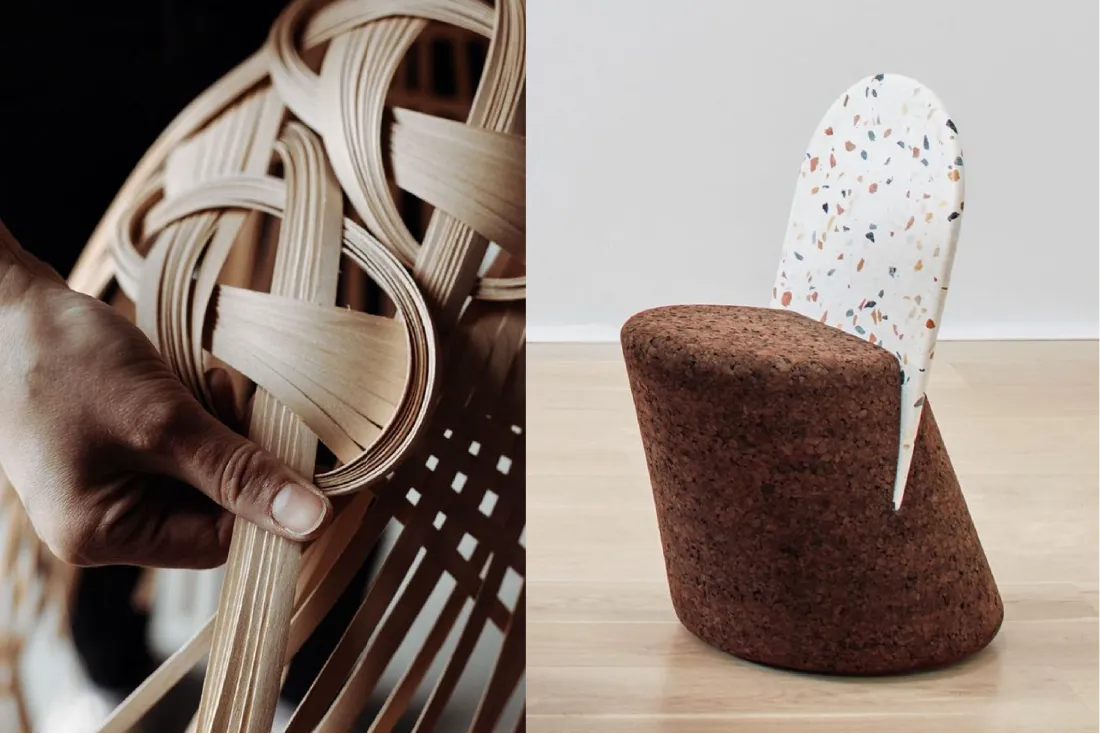
Let’s be honest. For years, “sustainable furniture” often meant a few things: reclaimed wood, maybe some bamboo, and a hefty price tag. It felt niche. But something’s shifted. A quiet revolution is happening in design labs and workshops, and it’s moving us beyond the expected. We’re not just tweaking old materials anymore; we’re growing them from scratch and spinning them from our waste.
This is the new frontier of furniture design. It’s about mycelium, the root structure of mushrooms, forming into sturdy, compostable chairs. It’s about plastic bottles and fishing nets getting a second life as plush, durable textiles. Honestly, it’s one of the most exciting things in home design right now. So, let’s dive into the materials that are reshaping what our sofas, tables, and lamps can be—and what they mean for our planet.
Why Now? The Push for Better Materials
You can’t talk about this shift without understanding the “why.” Consumers are more aware. The pain points of fast furniture—the landfill clutter, the questionable chemicals, the sheer waste—are impossible to ignore. At the same time, regulations are tightening, and designers are genuinely hungry for new, expressive mediums.
It’s a perfect storm. And the result is an explosion in eco-friendly furniture materials that don’t ask you to compromise on style or durability. In fact, they often enhance it.
The Growers: Biofabrication Takes Root
This is where things get sci-fi, but in the best way. Instead of cutting or mining, we’re cultivating.
Mycelium: The Future is Fungal
Mycelium is nature’s internet—a vast, fibrous network beneath the forest floor. Innovators have learned to harness it as a natural binding agent. They take agricultural waste (like hemp hurd or sawdust), add mycelium culture, and let it grow in a mold. Over days, the mycelium threads through the waste, forming a solid, lightweight block.
That block is then heat-treated to stop growth. What you get is a material that can be shaped into anything from lamp shades to table bases. It has a soft, suede-like texture, is naturally fire-resistant, and at the end of its life? You can literally break it up and compost it. It’s a closed-loop dream.
Algae and Seaweed: Beyond the Plate
Here’s another one. Algae, particularly fast-growing kelp, is being processed into biopolymers and flexible foams. These can replace petroleum-based foams in cushions and upholstery. The process actually captures carbon, and the resulting materials are non-toxic and biodegradable. It’s like giving your couch a photosynthetic past life.
The Recyclers: Closing the Loop with Textiles and Plastics
While some materials are grown anew, others are getting a brilliant second act. This isn’t your basic recycling bin stuff—it’s high-tech alchemy.
Recycled Textiles and Post-Consumer Plastic
The stats on textile waste are staggering. The fashion industry is a major contributor, and furniture is now part of the solution. Companies are creating stunning, hard-wearing fabrics from:
- Pre-consumer waste: Fabric scraps from clothing factories that are shredded and re-spun.
- Post-consumer waste: Think discarded jeans, t-shirts, and even hotel linens.
- Ocean-bound plastics: Recycled PET from bottles and, crucially, reclaimed fishing nets (a huge marine hazard) are transformed into yarn for sleek, performance-driven upholstery.
The feel? You’d never know. These sustainable upholstery fabrics rival virgin materials in softness and durability, with a story that adds depth.
Innovative Composites: When Waste Becomes Wonder
Then there are the material mash-ups. Designers are embedding all sorts of waste streams into resins and binders to create unique, terrazzo-like surfaces. Coffee grounds, crushed oyster shells, recycled glass, and construction debris are finding new permanence in tabletops and tiles. Each piece is a map of what we usually throw away.
What It Means for You: The Real-World Impact
Okay, so this is all cool in theory. But what does it mean when you’re shopping for a new armchair? A few key things have changed.
| Material | Key Benefits | Considerations |
| Mycelium | Fully biodegradable, lightweight, unique aesthetic, carbon-negative potential. | Best for dry, indoor use; still scaling production. |
| Recycled PET/Textile Fabrics | Diverts waste, durable, often water-resistant, widely available now. | Energy used in recycling process; end-of-life recycling still evolving. |
| Algae-based Foams | Carbon-capturing, replaces petrochemical foams, non-toxic. | Very new to market; long-term durability testing ongoing. |
| Waste-based Composites | Unique story & look, utilizes difficult-to-recycle streams. | Often uses a resin binder; not always biodegradable. |
You’ll notice more transparency. Brands leading in circular design furniture are proud to tell you the “what” and “where.” They’ll tell you the percentage of recycled content, the origin of the algae, or the type of agricultural feed for the mycelium. That transparency is a huge shift.
And durability? It’s a myth that sustainable means less sturdy. Many of these materials are engineered to meet, or even exceed, traditional standards. A fabric made from ocean plastic is built to withstand saltwater and sun—it’s going to handle your living room just fine.
The Challenges & The Road Ahead
It’s not all smooth sailing, of course. Scaling up biofabrication like mycelium production is tricky—you’re essentially farming furniture, which has its own rhythms and challenges. Cost is still a factor for many innovations, though prices are dropping as processes improve.
And here’s a big one: end-of-life systems. For all this to work truly circularly, we need better infrastructure to compost mycelium products or disassemble and recycle complex items. The material innovation is sprinting ahead, and the recycling systems need to catch up. That’s the next big hurdle.
A New Material World
So where does this leave us? In a much more interesting place, frankly. The conversation has moved from simply “using less bad stuff” to actively designing with positive impact. A chair is no longer just an object you sit on; it can be a carbon sink, a waste diversion project, a piece of grown artistry.
The materials themselves are becoming the story—and a compelling one at that. They challenge our idea of what’s permanent, what’s valuable, and what we consider “natural.” The future of furniture isn’t just about looking good in a corner of your room. It’s about being a thoughtful, functional part of a much larger ecosystem. And that’s a design principle worth investing in.


