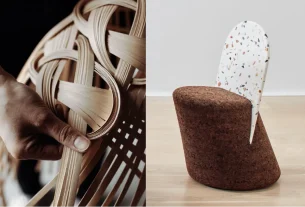
Let’s be honest for a second. When you buy a new sofa or a dining table, you’re not exactly thinking about carbon footprints or deforestation. You’re thinking about comfort, style, and maybe whether it’ll survive your kids or your cat. But here’s the thing—the furniture industry is quietly one of the biggest contributors to environmental degradation. And I’m not just talking about the obvious stuff like plastic waste.
Every year, millions of tons of furniture end up in landfills. Most of it is made from materials that don’t break down, or worse, are harvested in ways that destroy ecosystems. But there’s a shift happening. More people are asking, “What is this actually made of?” And that’s where sustainable materials come in. They’re not just a trend—they’re a necessity. So, let’s unpack what makes a material truly sustainable, and honestly, some of the answers might surprise you.
What Does “Sustainable” Really Mean in Furniture?
Well, it’s a bit of a loaded word, isn’t it? In the furniture world, sustainability isn’t just about the source of the raw material. It’s a full lifecycle assessment. That means we’re looking at everything—from how the material is grown or extracted, to the energy used in manufacturing, to the transportation emissions, and finally, to what happens when you’re done with it.
A truly sustainable material is typically renewable, non-toxic, and either biodegradable or highly recyclable. But here’s the kicker—sometimes a material can be renewable but still harmful if it’s harvested irresponsibly. Think bamboo, for instance. It grows like crazy, sure. But if it’s grown in monoculture plantations that require heavy pesticides, it’s not as green as it seems. Context matters, you know?
The Big Three: Wood, Bamboo, and Cork
When people think sustainable furniture, wood is usually the first thing that pops into their heads. And rightly so—if it’s done right. The key is looking for FSC (Forest Stewardship Council) certified wood. That certification ensures the timber comes from forests that are managed responsibly. But here’s a nuance: reclaimed wood is even better. It gives old barns and warehouses a second life, and it doesn’t require cutting down a single new tree.
Bamboo is the overachiever of the plant world. It grows up to three feet in a single day—no joke. It’s strong, lightweight, and can be harvested every three to five years without killing the root system. That’s a win. But, and this is a big but, most bamboo is shipped from Asia, which adds a hefty carbon cost. So, unless it’s processed locally, the environmental benefit shrinks considerably.
Cork is the underdog here. Harvested from the bark of cork oak trees, it’s completely renewable—the tree isn’t cut down, just the bark is peeled off every nine years. It’s naturally fire-resistant, waterproof, and feels amazing underfoot. Plus, cork forests in the Mediterranean are biodiversity hotspots. That said, cork furniture is a bit niche. You’ll see it more in flooring or chair seats than in full dining sets.
The Hidden Problem: Engineered Wood and MDF
Here’s where things get murky. Medium-density fiberboard (MDF) and particleboard are everywhere. They’re cheap, versatile, and can mimic the look of real wood. But they’re often held together with urea-formaldehyde resins. Formaldehyde is a known carcinogen, and it off-gasses into your home for years. Not exactly the kind of “fresh scent” you want from your new bookshelf.
That said, not all engineered wood is terrible. Some manufacturers now use soy-based or other low-VOC adhesives. And if the wood fiber comes from sawmill scraps or recycled sources, it’s actually a smart use of material that would otherwise be waste. The trick is reading the fine print. Look for CARB Phase 2 or NAF (no-added-formaldehyde) labels. If you see those, you’re in safer territory.
Metal and Glass: The Heavyweights
Let’s shift gears to metals. Steel and aluminum are infinitely recyclable. That’s a huge plus. But the initial production is energy-intensive—especially aluminum, which requires bauxite mining and a process called electrolysis that gulps electricity. So, the most sustainable metal furniture is the kind made from post-consumer recycled content. And honestly, recycled steel is just as strong as virgin steel. No compromise there.
Glass is similar. It’s made from sand, which is abundant, but melting it down requires extreme heat. Again, recycled glass is the answer. It uses about 30% less energy than making new glass. Plus, glass furniture—like tempered glass tabletops—is durable and doesn’t off-gas any VOCs. It’s a clean option, though it can be heavy and brittle in transit, which increases shipping emissions per piece.
The Elephant in the Room: Plastics and Synthetics
Okay, let’s talk about plastic. Polypropylene, polyethylene, PVC—these materials are cheap, waterproof, and easy to mold into any shape. But they’re derived from fossil fuels. And while they can be recycled, the reality is that most plastic furniture isn’t. It ends up in landfills, where it’ll sit for centuries. Worse, when it does break down, it becomes microplastics that enter the food chain. Yikes.
But there’s a new kid on the block—bioplastics. These are made from corn, sugarcane, or even algae. Sounds great, right? Well, it’s complicated. Many bioplastics are only compostable in industrial facilities, not in your backyard. And some of them still contain additives that make them non-biodegradable. So, unless you have access to proper composting infrastructure, they’re not much better than regular plastic. A bit of a letdown, honestly.
Natural Fibers for Upholstery: Cotton, Linen, and Wool
Now, let’s get comfy. Upholstery is where a lot of hidden environmental damage occurs. Conventional cotton is a pesticide hog—it accounts for nearly 16% of global insecticide use. That’s a staggering number. Organic cotton is better, but it still requires a lot of water. Linen, made from flax, is a more resilient crop. It grows in poor soil, needs little water, and every part of the plant is useful.
Wool is the old reliable. It’s renewable, biodegradable, and naturally flame-resistant. Sheep regrow their fleece every year, so it’s a continuous resource. The main issue is land use and methane emissions from sheep themselves. But compared to petroleum-based polyester or nylon, wool is a clear winner. And it feels infinitely better—soft, warm, and breathable.
Let’s Talk Numbers: A Quick Comparison Table
Sometimes, seeing it all side-by-side makes it click. Here’s a rough breakdown of common furniture materials based on their environmental impact across key categories. Keep in mind, these are general trends—specific sourcing matters a lot.
| Material | Renewability | Carbon Footprint | Recyclability | Toxicity | Durability |
|---|---|---|---|---|---|
| FSC-Certified Solid Wood | High | Low (if local) | High | Low | Very High |
| Reclaimed Wood | N/A (reused) | Very Low | High | Low | High |
| Bamboo | Very High | Medium (shipping) | Medium | Low | High |
| Cork | Very High | Low | Medium | Low | Medium |
| Recycled Steel | N/A | Medium | Infinite | Low | Very High |
| Recycled Aluminum | N/A | Medium | Infinite | Low | High |
| Recycled Glass | N/A | Medium | High | Low | High |
| Conventional Plastic | None | High | Low | High (VOCs) | Medium |
| Bioplastic (PLA) | High | Medium | Low (needs industrial compost) | Low | Low-Medium |
| Organic Cotton | High | Medium | Medium | Low | Medium |
| Wool | High | Medium | High (compostable) | Low | High |
See how recycled metals and reclaimed wood come out on top in multiple categories? That’s not an accident. The most sustainable material is often the one that already exists.
Beyond Materials: The Role of Design and Longevity
Here’s a thought that flips the whole conversation on its head. The most sustainable piece of furniture isn’t made from a fancy eco-material—it’s the piece that lasts 30 years. A well-made oak chair that you pass down to your kids beats a trendy bamboo chair that falls apart in five years. Durability is sustainability, full stop.
That means we need to look at joinery, not just the wood. Are the joints dovetailed or just stapled? Is the frame solid or hollow? Can the upholstery be removed and replaced, or is it glued to the frame? These design choices matter more than the material label. Fast furniture—the IKEA model—is built for obsolescence. It’s cheap, but you’ll buy it three times over a decade. That’s three times the manufacturing, three times the shipping, three times the waste.
What About Finishes and Adhesives?
People forget about the finish. You can have the most sustainable oak table in the world, but if you coat it with a petroleum-based polyurethane varnish, you’ve introduced VOCs into your home and the environment. Look for natural finishes—linseed oil, beeswax, shellac, or water-based lacquers. They’re not just safer for you; they’re safer for the factory workers who apply them.
Adhesives are another hidden culprit. Many wood glues contain formaldehyde. Even some “solid wood” furniture uses veneers glued onto particleboard cores. Always ask about the adhesive. If the salesperson doesn’t know